Shibuya Station is one of the most famous and busiest train stations in all of Japan and is known around the world because of its connection to the iconic Shibuya Crossing. Located in the centre of one of Tokyo’s most energetic districts, the station connects millions of passengers every day to JR train lines, Tokyo Metro lines, and several major private railway companies. Shibuya Station has become one of the most recognizable transportation hubs in Japan because of its massive crowds, giant video screens, neon lights, shopping centres, and modern city atmosphere.
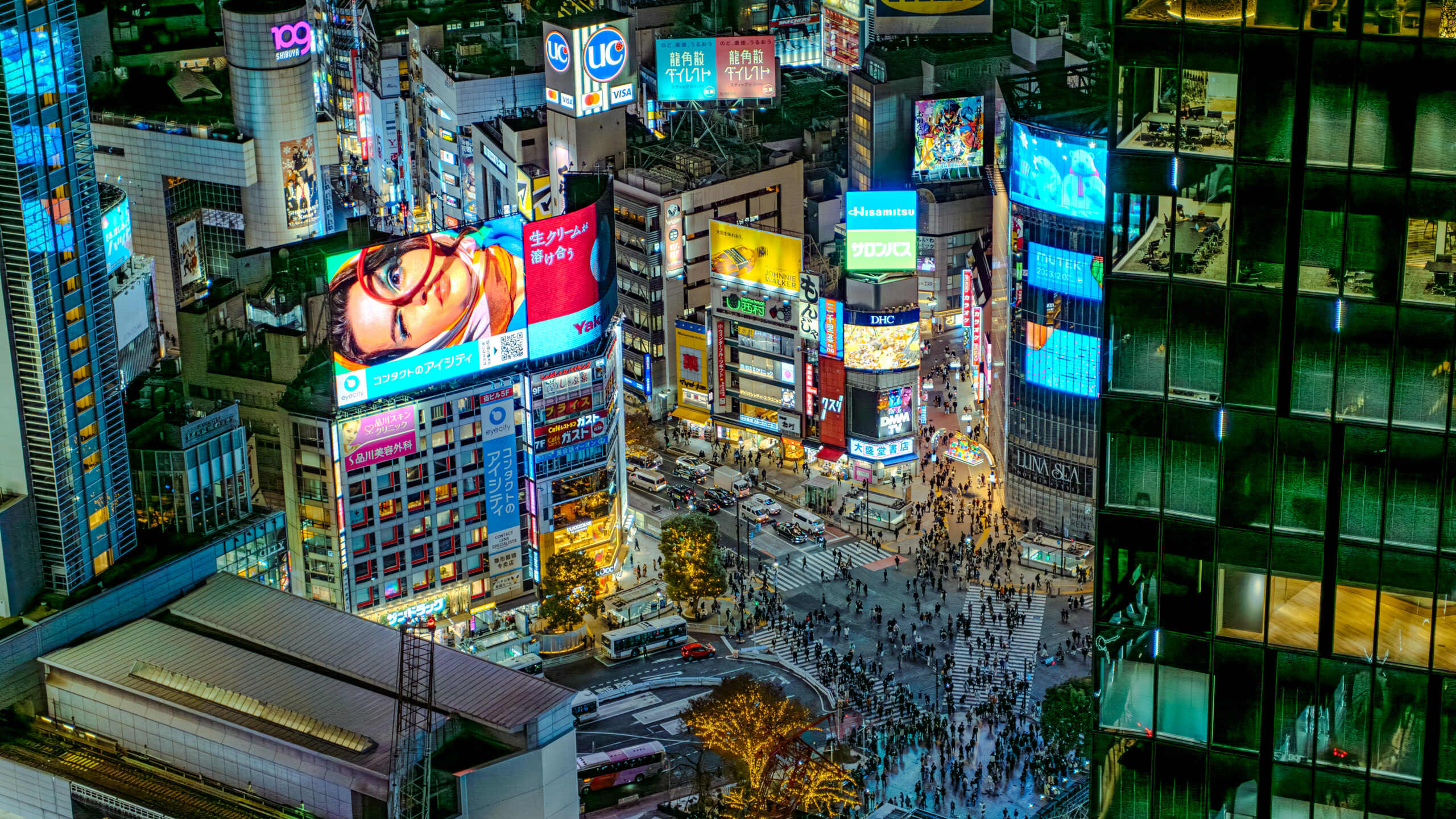
The area surrounding the station feels fast paced and futuristic with huge skyscrapers, digital billboards, music playing from stores, and crowds constantly moving through the streets. During the evening, the area around the station becomes especially vibrant as the lights from buildings and advertisements reflect across the roads and sidewalks. The station perfectly represents the modern side of Tokyo and is often one of the first places tourists visit when exploring the city.
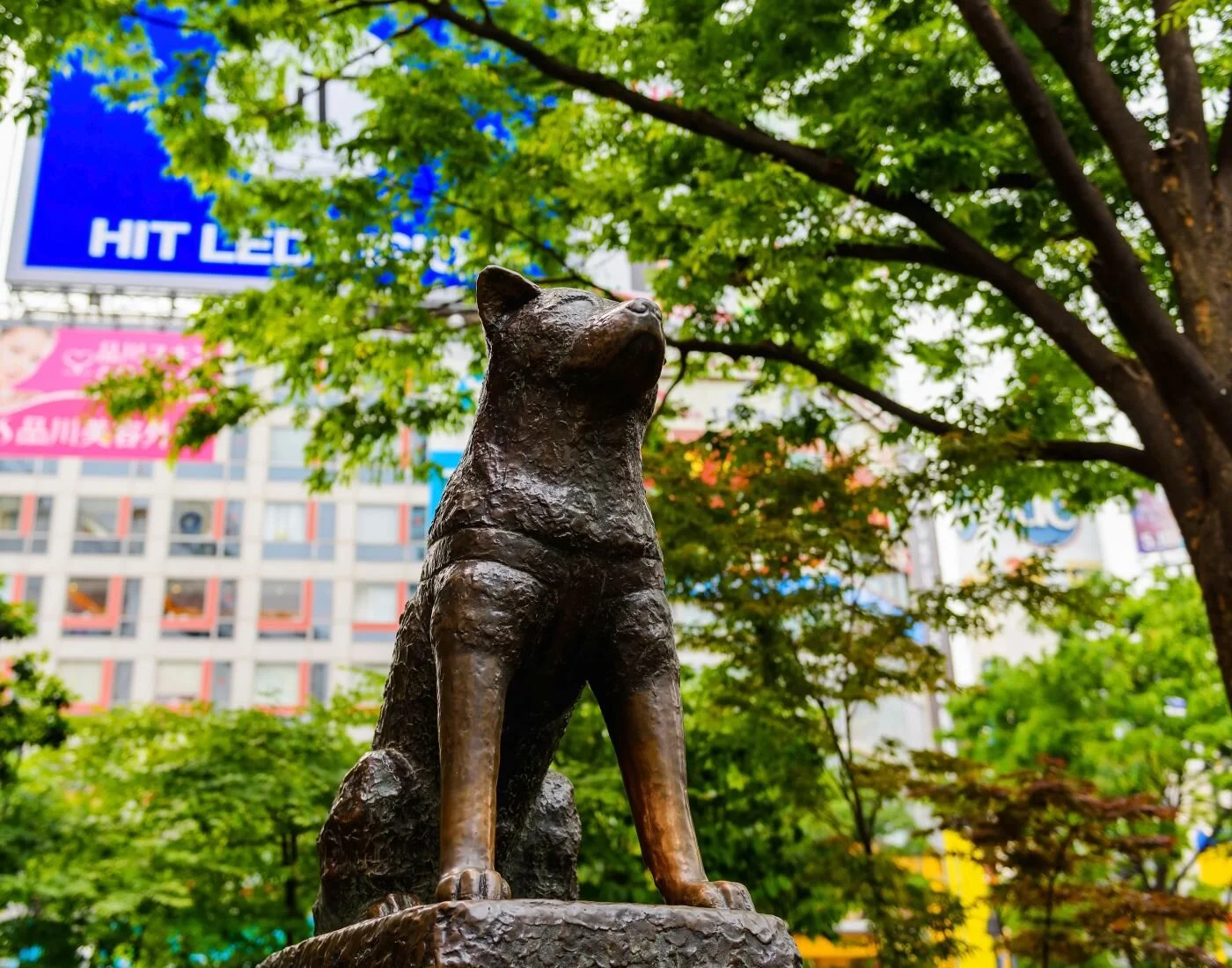
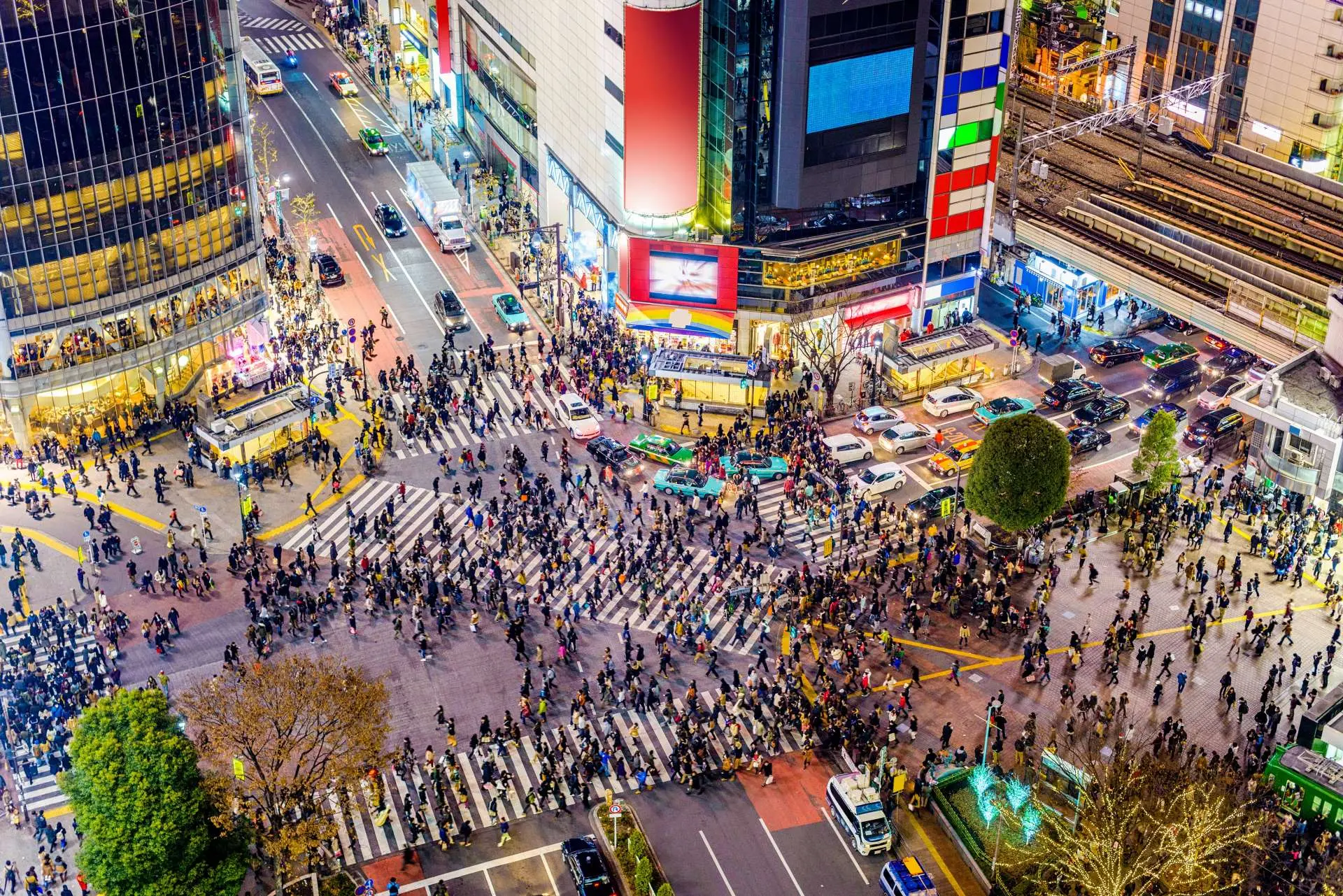
One of the most famous parts of the station is the Hachikō Exit, which leads directly toward the world famous Shibuya Crossing and the Hachikō statue. The statue honours a loyal dog named Hachikō who waited for his owner at the station every day. Today, the statue is one of Tokyo’s most popular meeting spots and a major landmark for visitors. Just outside this exit is the famous crossing where hundreds or even thousands of people cross the street at the same time surrounded by giant advertisements and towering buildings. Watching the crossing from above at night is one of the most iconic views in Tokyo.
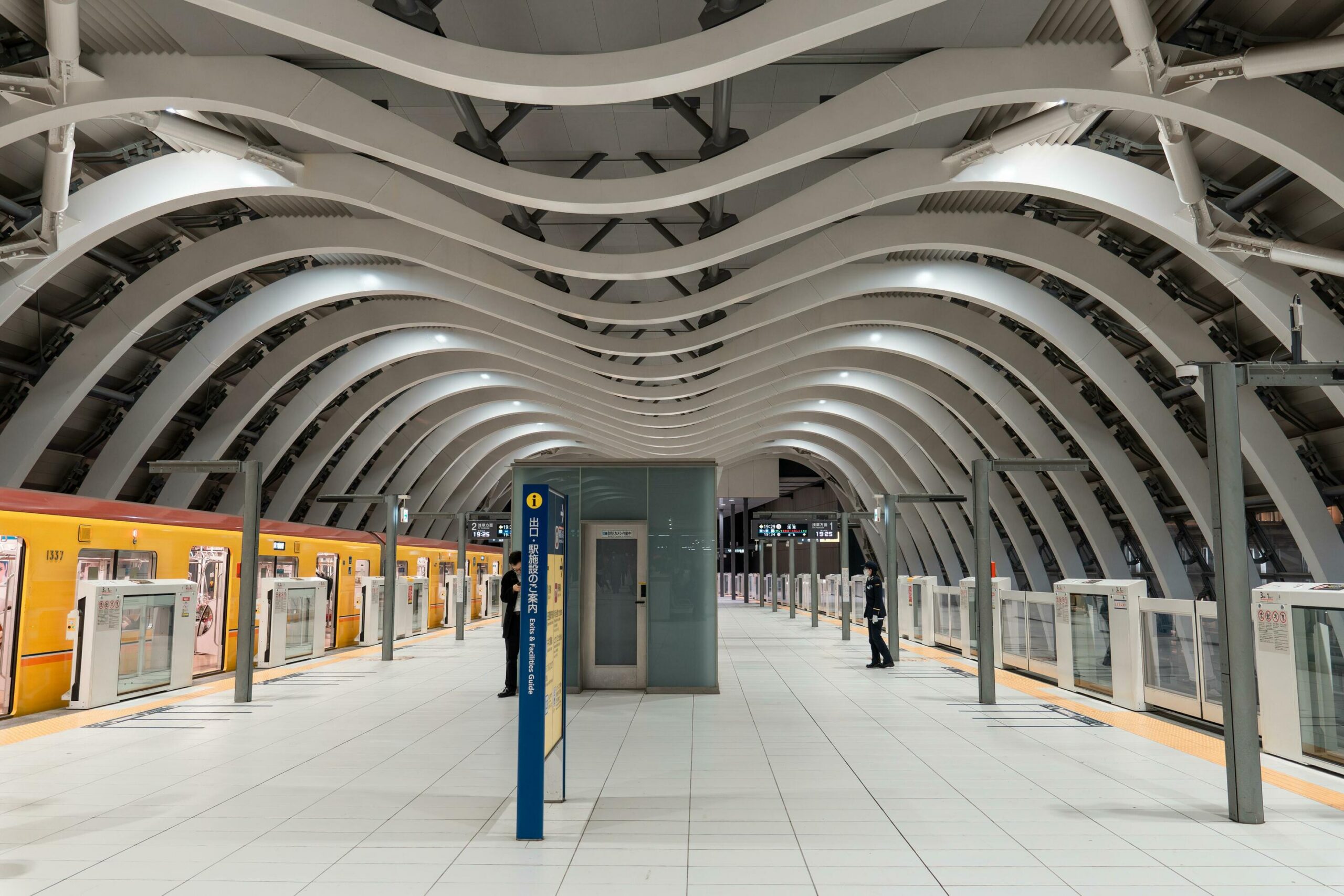
Inside, Shibuya Station feels extremely modern but can also feel confusing because of its multiple levels, underground pathways, and ongoing redevelopment projects. Train platforms are located both above and below ground, while shopping centres and restaurants connect directly into the station complex. Overhead signs in Japanese and English guide passengers between JR lines, subway lines, and private railway lines. JR lines are usually marked with green signs while subway and private railway lines use different colours and symbols.
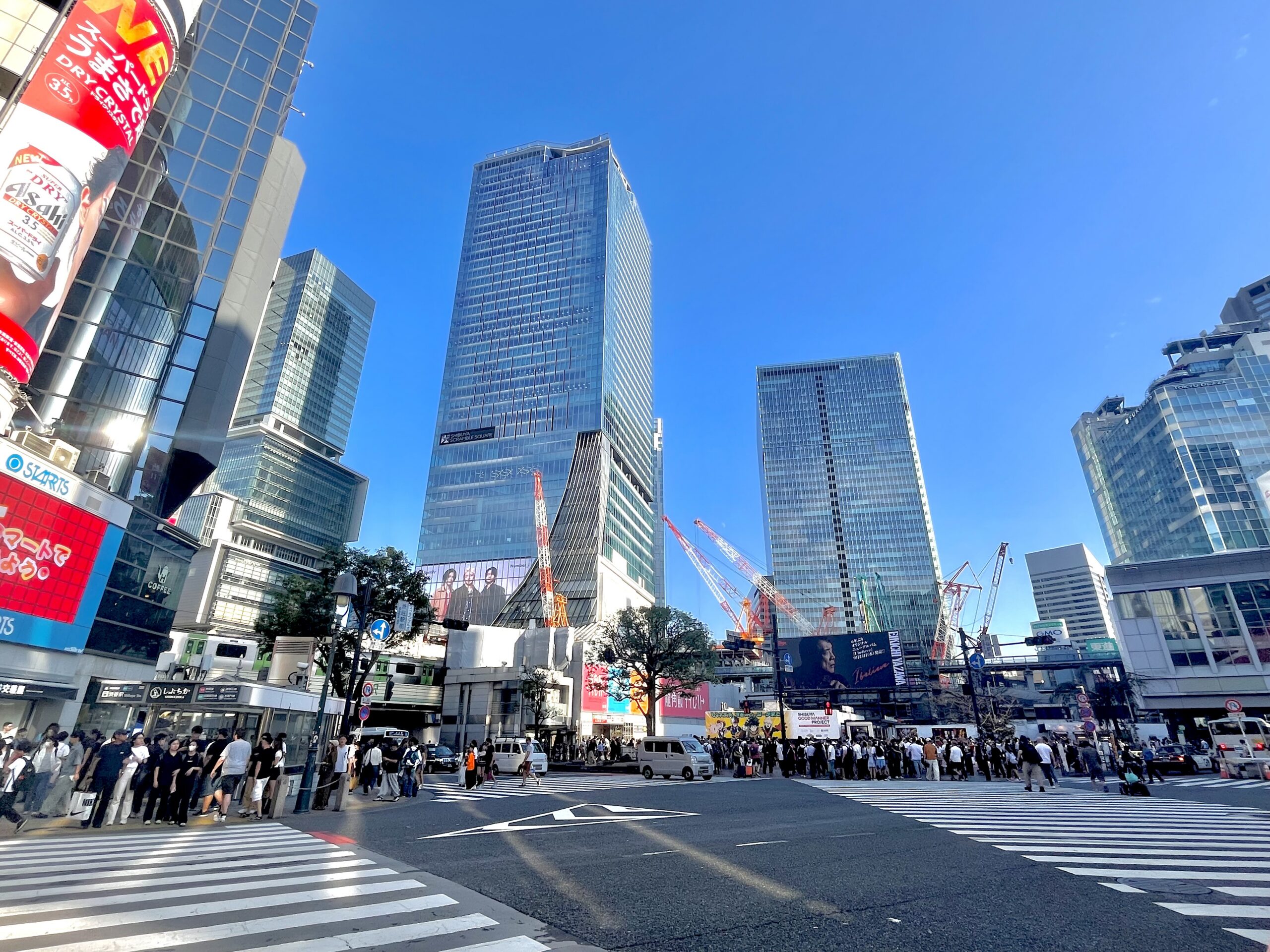
The station is connected directly to several massive shopping complexes including Shibuya Scramble Square, Shibuya Hikarie, and underground malls filled with fashion stores, cafés, restaurants, bakeries, electronics shops, and entertainment areas. Many visitors spend hours exploring these connected buildings because of how large and modern they are. Elevated walkways now connect many nearby towers and shopping centres together, creating a futuristic feeling above the streets below.
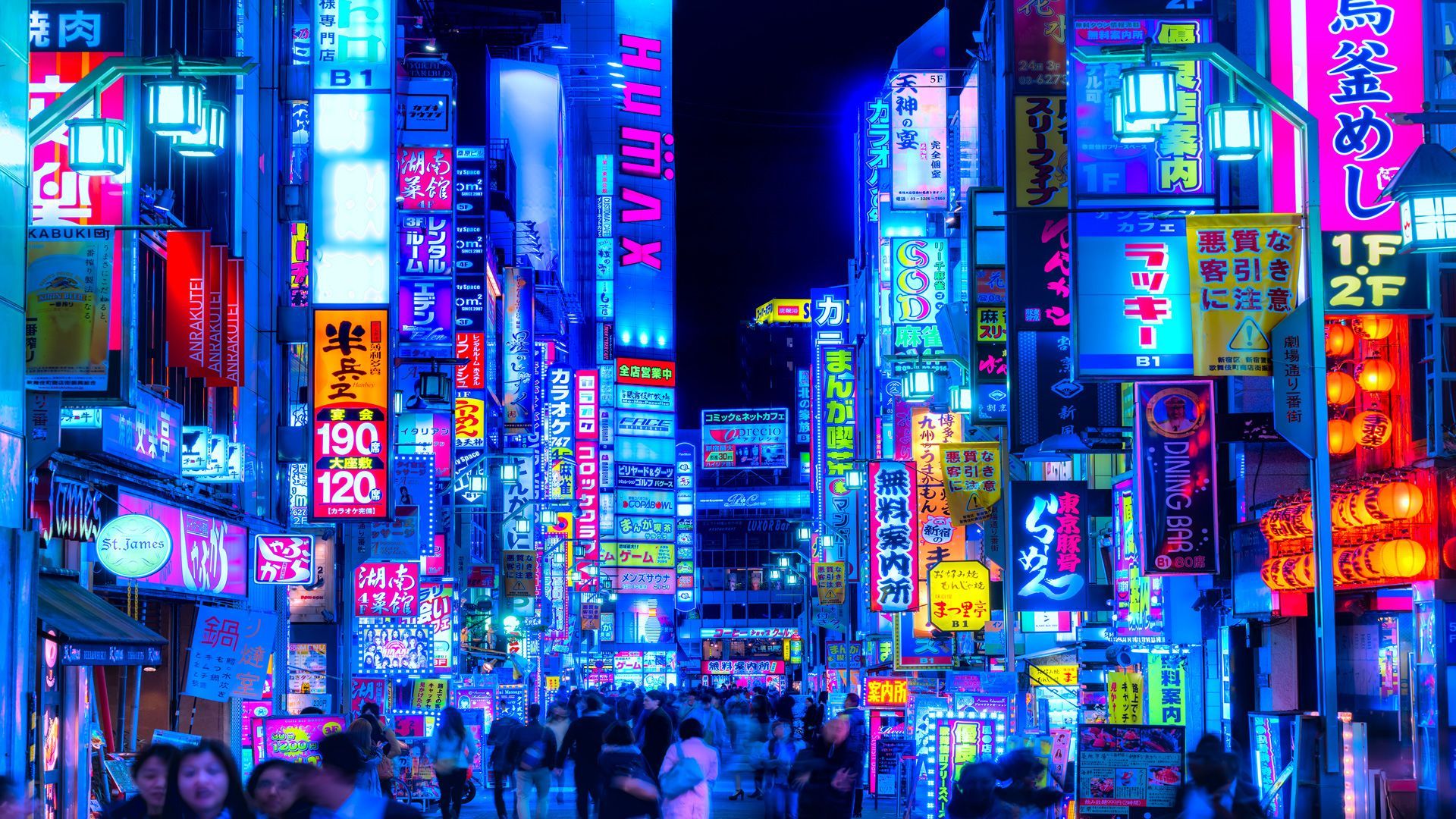
One of the coolest things about Shibuya Station is the atmosphere around it. Unlike Tokyo Station, which feels more elegant and historic, Shibuya feels young, energetic, and constantly moving. The area is especially popular with students, tourists, fashion lovers, and nightlife visitors. Music, flashing lights, and giant digital advertisements create an atmosphere that feels almost unreal at times, especially during weekends and evenings when the streets become packed with people.
Guide to Shibuya Station
Hachikō Exit
The Hachikō Exit is the most famous exit in Shibuya Station and leads directly toward the Shibuya Crossing and Hachikō statue. This side of the station is usually the busiest and is surrounded by restaurants, shopping centres, giant video screens, and nightlife areas. It is the best exit for tourists exploring central Shibuya.
Shibuya Scramble Square
Shibuya Scramble Square is one of the newest skyscrapers connected directly to the station. The building contains shopping floors, restaurants, cafés, offices, and the famous Shibuya Sky observation deck. The observation deck offers one of the best views in all of Tokyo, especially during sunset and nighttime.
Shibuya Hikarie
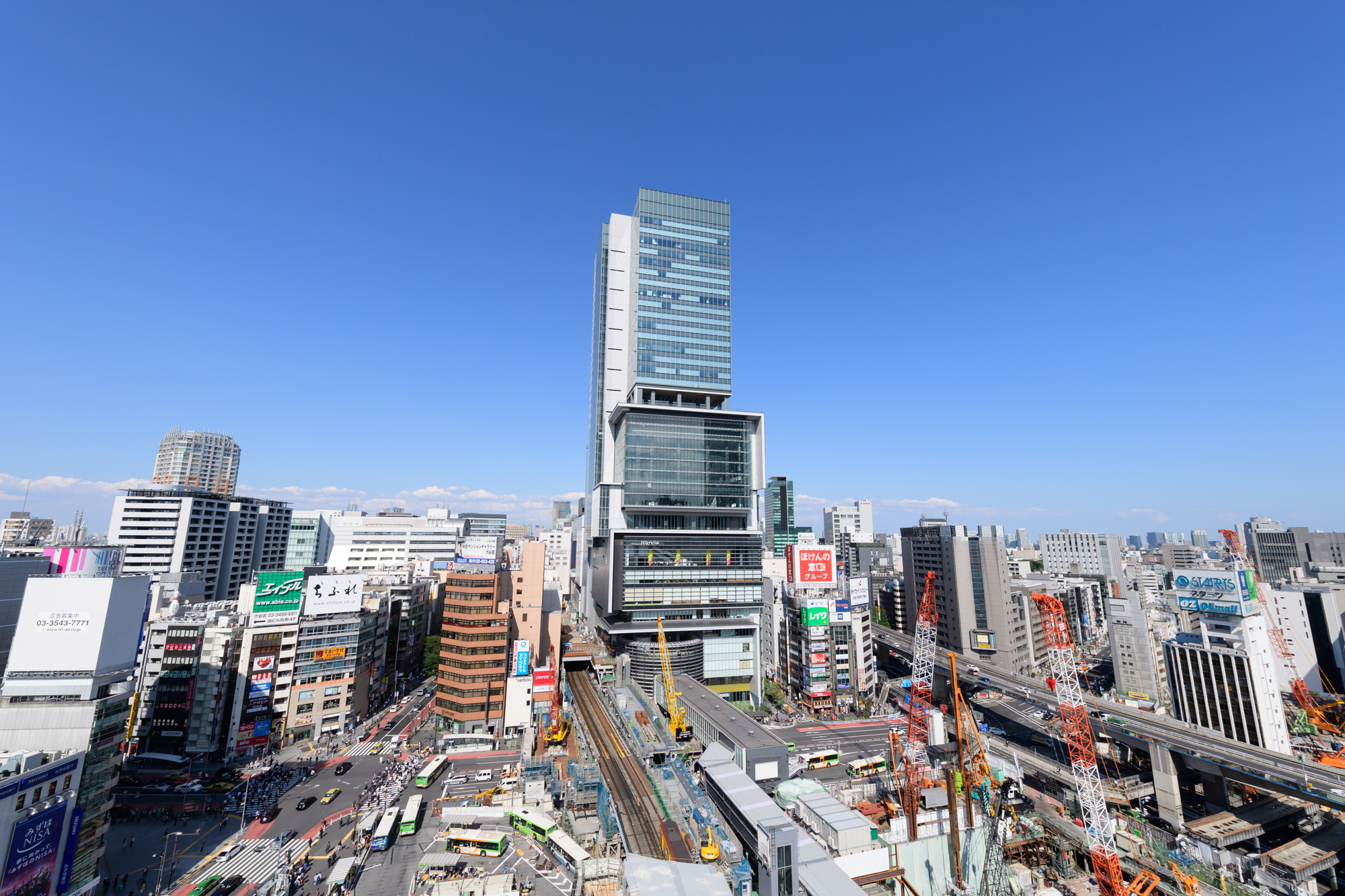
Located beside the station, Shibuya Hikarie is a large shopping and entertainment complex connected directly into the station. The building contains fashion stores, restaurants, theatres, and cafés. The upper floors also provide great views overlooking the city.
JR Platforms
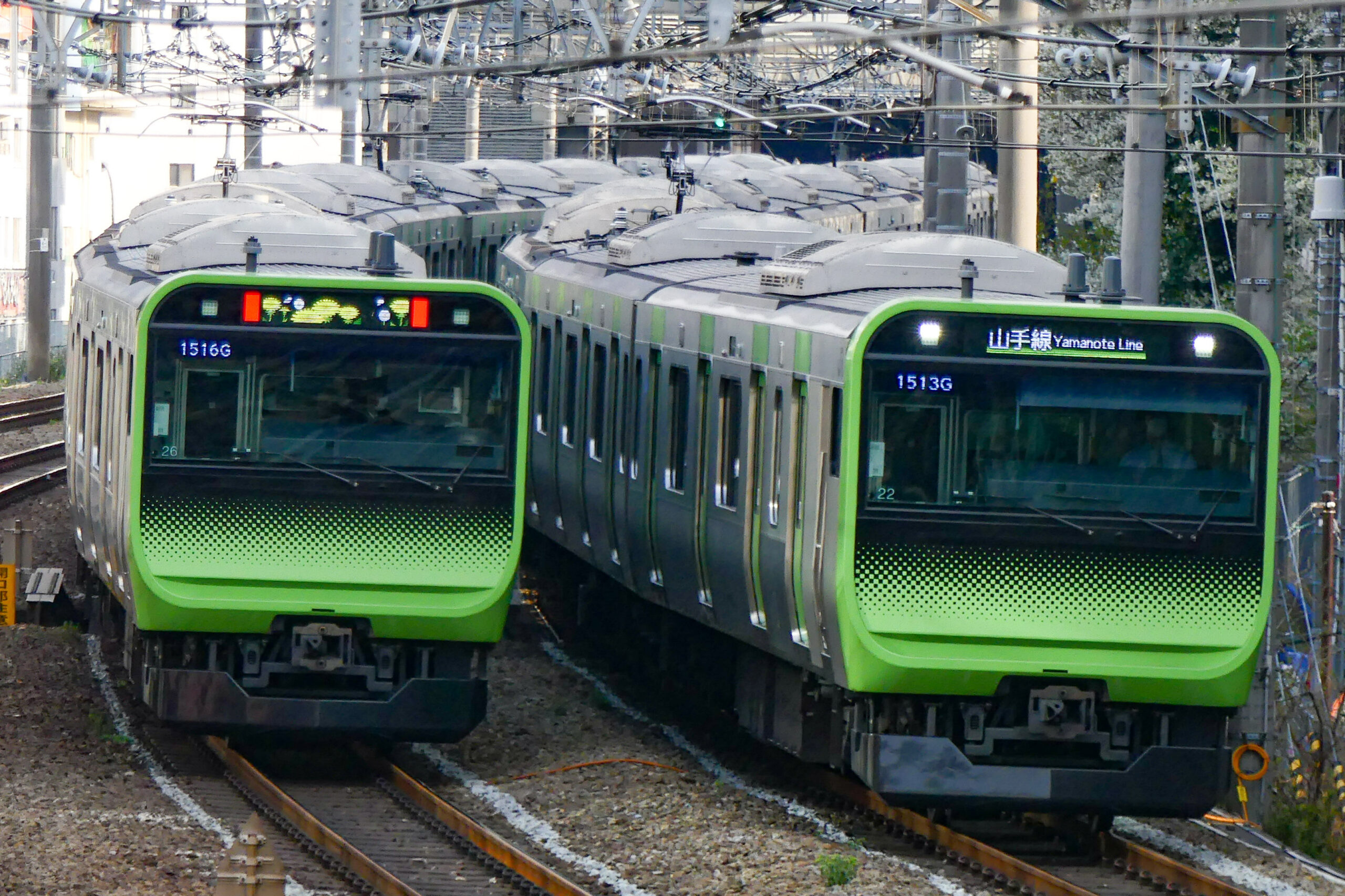
The JR train platforms are located mainly above ground and are used heavily by commuters travelling around Tokyo. The Yamanote Line, one of Tokyo’s most important train lines, stops here and connects Shibuya to major districts such as Shinjuku, Tokyo Station, and Ueno.
Tokyo Metro & Private Railways
Several Tokyo Metro and private railway lines connect through Shibuya Station. These underground areas can feel confusing at first because of how many tunnels and passageways there are, but colour coded signs in English and Japanese help guide passengers between lines and exits.
Shopping & Underground Areas
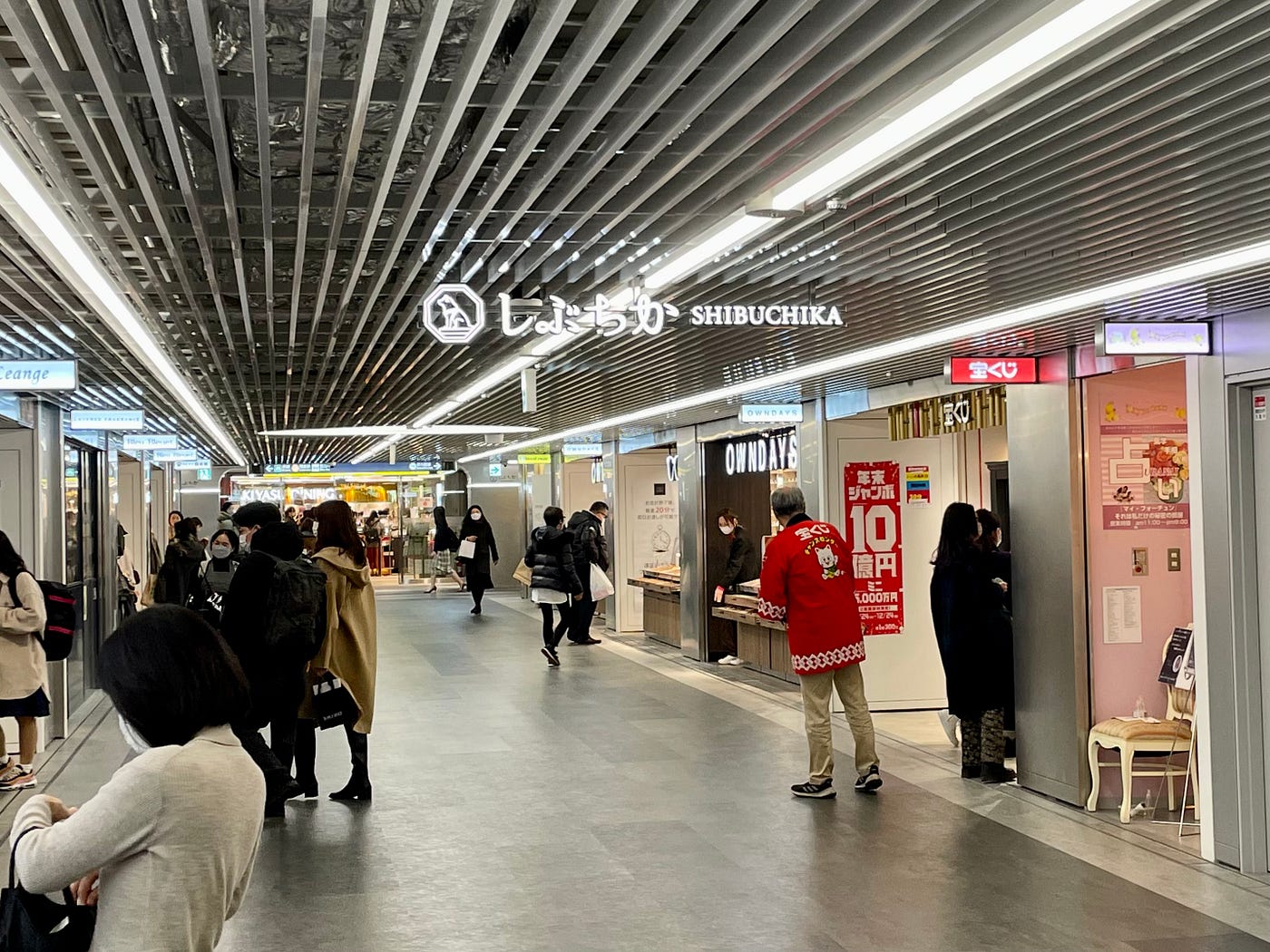
The underground sections of the station contain shopping malls, bakeries, cafés, restaurants, and convenience stores. Many people use these underground pathways to move between buildings without needing to cross busy roads outside.
Best Time to Visit
The best time to visit Shibuya Station depends on the experience you want. During the daytime the area feels lively and energetic, while nighttime offers the most famous atmosphere with glowing lights, giant screens, and huge crowds crossing the streets. Late evenings and weekends are usually the busiest times.
Overall 10/10. Shibuya Station is one of the most exciting and recognizable stations in the world and perfectly captures the energy, technology, and modern atmosphere of Tokyo.