Tokyo Station
Navigation Guide
Tokyo Station is one of the most important and busiest train stations in all of Japan. Located in central Tokyo, the station acts as the main hub for JR train lines, Tokyo Metro connections, and the Shinkansen bullet train network that travels across the country. Because of its massive size and underground layout, the station can feel overwhelming for first-time visitors, but once you understand the different sides and exits it becomes much easier to navigate.
The station is mainly divided into two major areas called the Marunouchi side and the Yaesu side. The Marunouchi side is the historic side of the station and is famous for the red-brick station building that opened in 1914. This side feels cleaner, calmer, and more elegant compared to the rest of Tokyo. Wide streets, office towers, luxury hotels, and modern business buildings surround the area. The Marunouchi side is the best exit for visiting places such as the Marunouchi Building and the Imperial Palace. Many tourists also use this side for photography because the station building looks especially beautiful during sunset and nighttime when the lights turn on.
The Yaesu side of Tokyo Station feels much busier and more crowded. This side is filled with shopping centres, underground malls, restaurants, hotels, and highway bus terminals. Many travellers use the Yaesu side for long-distance buses or for accessing the station’s largest shopping and food areas. Compared to Marunouchi, the atmosphere here feels more energetic and packed with people, especially during rush hour. Tokyo Character Street, Tokyo Ramen Street, and many underground shopping areas are located closer to the Yaesu side of the station.
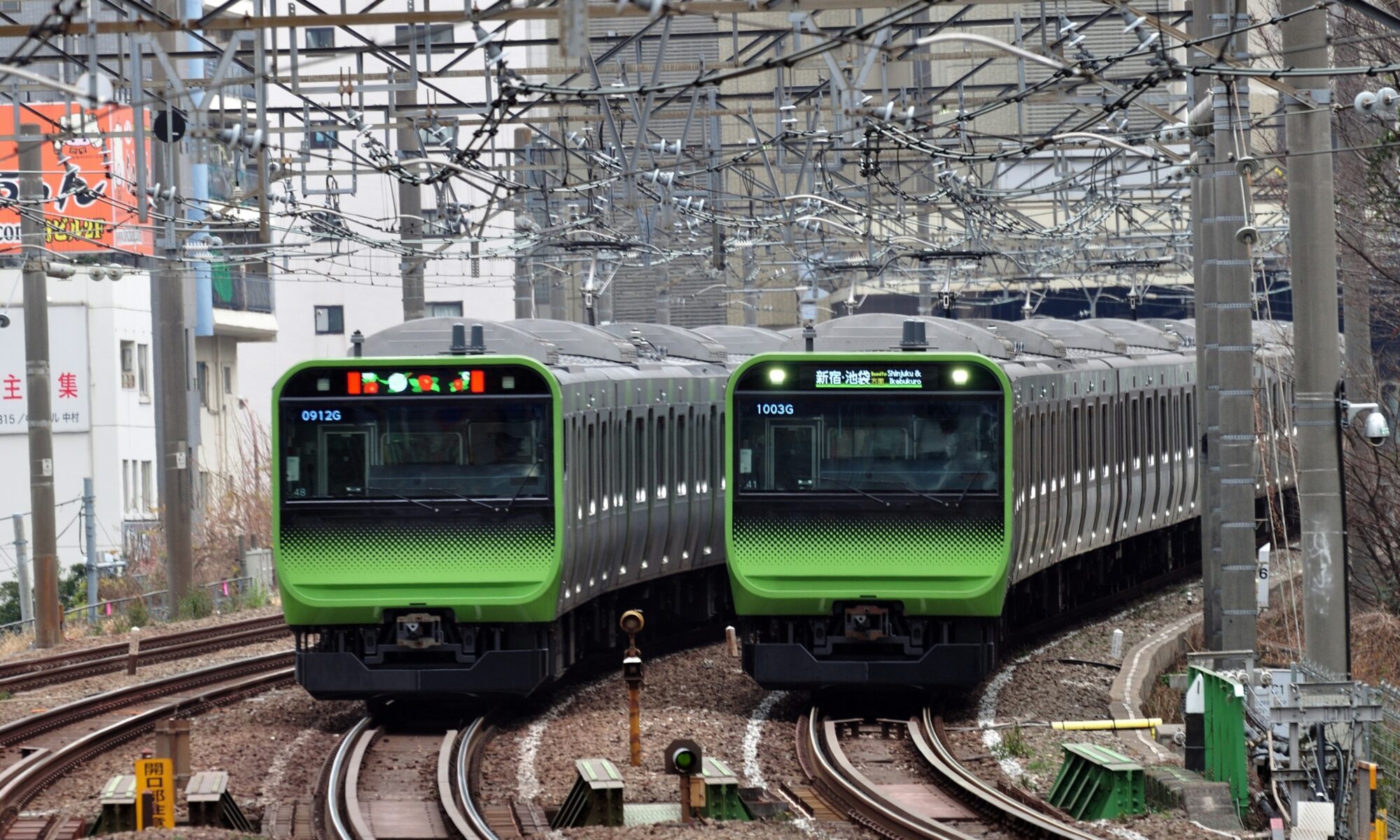
Inside the station there are endless underground hallways connecting platforms, shopping centres, restaurants, and nearby office buildings. Overhead signs in both Japanese and English help guide passengers between JR lines, subway lines, and Shinkansen platforms. JR lines are usually marked with green signs while subway lines use different colours depending on the route. Because the station is so large, it is very important to know which exit you need before leaving your platform. Walking from the Marunouchi side to the Yaesu side can easily take more than 10 minutes.
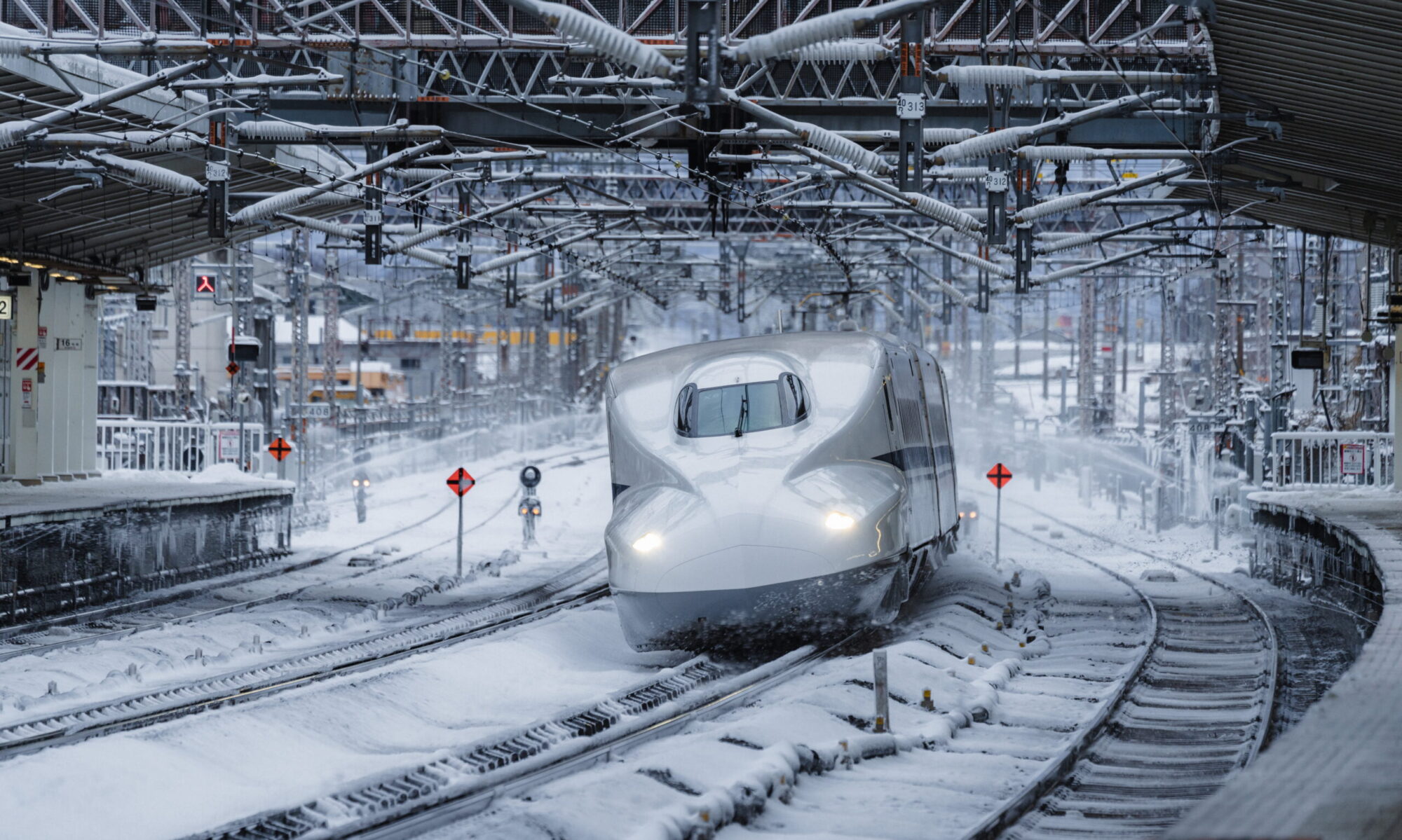
The Shinkansen bullet train platforms are located near the centre of the station behind separate ticket gates. These areas are usually easy to identify because of large overhead signs showing destinations like Kyoto, Osaka, Sendai, and Hokkaido. Around the Shinkansen areas there are many ekiben shops selling Japanese train bento boxes, snacks, drinks, and souvenirs for travellers before boarding their trains.
One of the most popular underground shopping areas inside the station is Gransta Tokyo. This section contains bakeries, cafés, restaurants, dessert stores, souvenir shops, and convenience stores. Many people stop here before taking the bullet train because it is one of the best places in Tokyo to buy food and snacks for travel. Nearby is Tokyo Character Street, which contains stores themed around Pokémon, Nintendo, Studio Ghibli, and other famous Japanese franchises.
Despite how confusing Tokyo Station looks at first, the station is actually very organized. The colour coded signs, numbered exits, and bilingual directions make navigation easier once you understand the layout. During rush hour the station becomes extremely crowded with commuters moving quickly between platforms, so mornings and evenings can feel chaotic. However, outside of rush hour the station becomes much easier to explore and enjoy.
Overall, Tokyo Station is much more than just a train station. It feels like a giant underground city filled with transportation, shopping, restaurants, history, and modern architecture all connected together in the centre of Tokyo.
Ueno Station
Navigation Guide
Ueno Station is one of the most important stations in northern Tokyo and acts as a major connection point for JR lines, the Tokyo Metro, and several Shinkansen bullet train routes heading toward northern Japan. Compared to stations like Shinjuku or Tokyo Station, Ueno Station feels easier to navigate because the layout is more open and less overwhelming. The station has a slightly older atmosphere and feels more traditional compared to Tokyo’s newer stations.
The station is mainly split between the Park Exit, the Central Exit, and the Hirokoji side. The Park Exit is one of the most popular exits because it leads directly toward Ueno Park, museums, the Ueno Zoo, and several famous cherry blossom viewing areas. This side of the station feels calmer and greener because of the large park nearby. During spring, this exit becomes extremely busy because thousands of people come to see the cherry blossoms.
The Hirokoji side of the station feels busier and more urban. This side connects toward shopping streets, restaurants, hotels, and the famous Ameya-Yokocho market area, often called Ameyoko. This market street runs underneath and beside the train tracks and is filled with small shops selling clothing, snacks, seafood, souvenirs, and street food. The atmosphere here feels crowded, energetic, and much more local compared to areas like Marunouchi.
Inside the station there are many restaurants, cafés, bakeries, convenience stores, and shopping areas. JR lines are clearly marked with green signs while subway lines use different colours depending on the route. The Shinkansen platforms are located on the upper levels of the station and are separated from the local train platforms through ticket gates. Overhead signs in English and Japanese make navigation fairly easy even for tourists visiting Japan for the first time.
One of the most useful things about Ueno Station is its direct access to Narita Airport through the Keisei Skyliner nearby, making the station an important transportation hub for international visitors. The station also feels less stressful than larger stations like Shinjuku because the hallways are wider and the exits are easier to understand.
Overall, Ueno Station is one of the easiest major stations in Tokyo to navigate and is a great starting point for exploring museums, parks, markets, and northern Tokyo.
Shibuya Station
Navigation Guide
Shibuya Station is one of the most famous train stations in Japan because it connects directly to the world famous Shibuya Crossing. The station is located in one of Tokyo’s busiest shopping and entertainment districts and is used by millions of passengers every day. Even though it is smaller than Shinjuku Station, Shibuya Station can still feel confusing because of constant renovations, multiple train companies, and several levels built above and below ground.
The most important exit for tourists is the Hachikō Exit. This exit leads directly toward the Shibuya Crossing, the Hachikō statue, giant video screens, shopping centres, restaurants, and nightlife areas. This side of the station is usually packed with people, especially during evenings and weekends. The atmosphere feels energetic, modern, and extremely fast paced with bright lights and music coming from nearby buildings.
Another major area is the Shibuya Scramble Square side, which connects toward newer skyscrapers, elevated walkways, shopping centres, and observation decks. This side feels more modern and organized because of recent redevelopment projects. Elevated walkways help pedestrians move between buildings without needing to cross busy roads below.
Inside the station there are JR lines, Tokyo Metro lines, and private railway lines operated by companies like Tokyu and Keio. Because several railway companies use the station, the underground sections can feel complicated at first. Colour coded signs in English and Japanese guide passengers between platforms and exits. JR lines are usually marked in green while subway and private railway lines use their own colours and symbols.
The station is built across multiple floors with some train lines located underground and others elevated above the streets. During rush hour the station becomes extremely crowded, especially near escalators, ticket gates, and the Hachikō Exit. Walking with the flow of people usually makes moving through the station easier.
One important thing to know when navigating Shibuya Station is that exits matter a lot. Using the wrong exit could place you several blocks away from where you want to go because the station connects directly into large shopping complexes and underground walkways. Many visitors use landmarks like the Hachikō statue or Shibuya Crossing to reorient themselves after leaving the station.
Overall, Shibuya Station is one of the most exciting stations in Tokyo and perfectly represents the energy and modern atmosphere of the city.